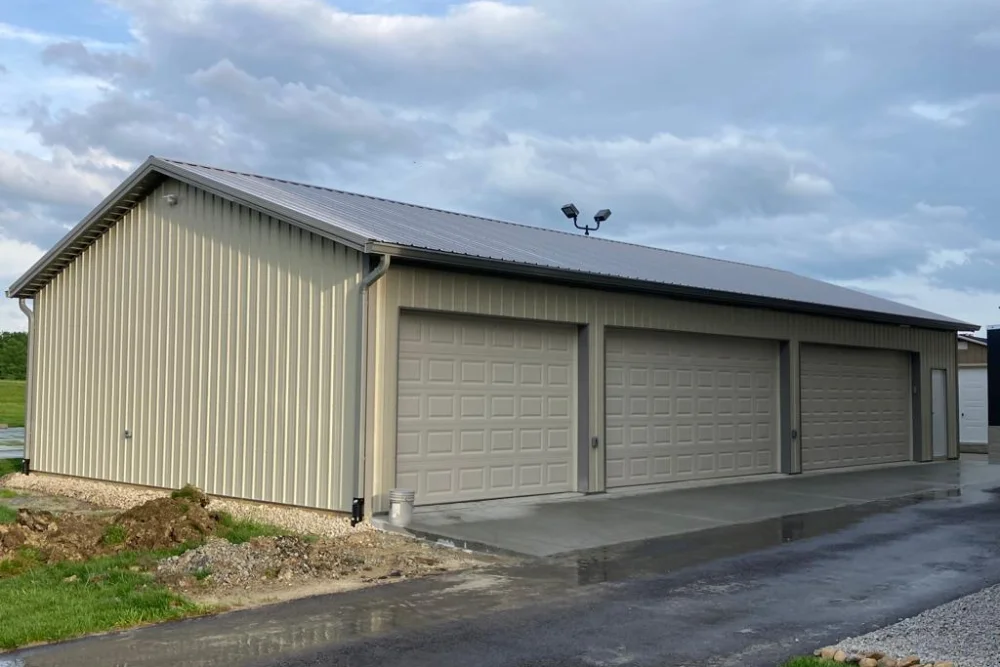
Designing a pole barn is about more than choosing a size and a roof style; it is about shaping a space that truly fits how you live, work, and move. When you start exploring pole barn design ideas, it can feel exciting and overwhelming at the same time. There are countless ways to arrange doors, bays, work areas, storage zones, and the “best” layout depends entirely on how you plan to use the building day in and day out. The most successful pole barn designs balance practicality, comfort, and flexibility, so the building works just as well in five or ten years as it does on the day it is finished.
Many property owners begin with a rough idea—perhaps a place to store equipment, a workshop, or a combination of garage and hobby space—then gradually discover what they truly need as they think through the details. That is why thoughtful planning is so important at this stage. Instead of starting only with dimensions, it helps to start with activities: what will you do inside this pole barn, what needs to be easy, and what would frustrate you if it were missing or inconvenient?
When you look at pole barn design ideas through that lens, layout decisions start to feel more straightforward. You can evaluate door placement, interior walls, ceiling heights, and storage features based on how well they support your daily routines rather than how they look in a catalog. The goal is not just to “design a pole barn,” but to shape a structure that truly fits your property and lifestyle.
Effective pole barn design ideas focus on how people, vehicles, and equipment actually move through the space, not just on the building’s exterior dimensions. When you plan your pole barn layout around functional zones—such as parking, storage, and workshop areas—and think ahead about door placement, vertical storage, and future flexibility, you end up with a pole barn that feels intuitive to use and easy to adapt as your needs change.
A simple way to approach pole barn design is to think in zones rather than individual features. Instead of listing doors and windows, start by sketching broad areas: vehicle parking, equipment storage, workshop or hobby space, animal areas and circulation paths between them. When you divide your pole barn into zones, you can quickly see how activities should flow and where conflicts might occur, such as a vehicle path crossing a workbench area or a storage zone blocking access to large doors.
Once the zones are set, you can refine them by thinking about frequency and priority. High-use activities—parking daily vehicles, accessing tools, or moving equipment—deserve the most convenient locations and clearest paths. Activities that happen less often, such as seasonal storage, can be placed in the corners, lofts, or deeper zones of the building. Designing with this kind of hierarchy in mind helps you avoid layouts that look neat on paper but feel awkward in real life.
It is also helpful to think vertically, not just horizontally. Many strong pole barn design ideas make full use of wall height and overhead space. Tall walls allow for mezzanines, storage lofts, and overhead doors that accommodate larger vehicles or equipment. Planning for these vertical elements early lets you position structural posts, trusses, and bracing to support them effectively, rather than trying to retrofit storage or lofts into a space that was never designed for them.
When looking for inspiration, certain pole barn design ideas appear again and again because they work well in real-world settings. One popular approach is the “drive-through” layout, with large doors on opposite ends of the building so you can pull vehicles or trailers straight through instead of backing out. This design is especially useful on narrow or tight properties where turning space is limited and can dramatically reduce day-to-day frustration.
Another common idea is the “combo building,” which divides the interior into distinct but connected areas—such as a large open bay for vehicles and equipment, plus an insulated workshop along one side. This type of layout allows you to keep dusty, noisy, or cold activities separated from cleaner or more temperature-controlled spaces. It also creates a clear boundary between work and storage, so tools and supplies are always within reach but not underfoot.
Storage is one of the biggest reasons property owners decide to build a pole barn, yet it is also one of the easiest elements to under-plan. A good pole barn design does more than just provide a big empty box; it intentionally carves out spaces for long-term storage, everyday items, and items that need quick, frequent access. When storage is woven into the layout from the start, the building stays more organized and easier to use over time.
Start by listing what you know you will store: vehicles, equipment, tools, seasonal items, livestock feed, recreational gear, or inventory. Estimate how much floor space each category will need and where it logically belongs. Vehicles and large equipment should be positioned where they can come and go without rearranging the entire building. Shelving, cabinets, and smaller storage solutions can then be planned around these anchor items, using wall space and corners efficiently.
Overhead storage is another powerful tool in pole barn design ideas. Lofts above work areas, racks above parking bays, and high shelving along gable walls can multiply the usable space without increasing the building footprint. If you anticipate using overhead storage, plan for safe access via stairs or sturdy ladders, as well as sufficient lighting in those upper areas. The more intentionally you design storage now, the less likely you are to feel cramped or cluttered later.
Door and window placement can make or break the practicality of your pole barn layout. Large overhead or sliding doors should align with how you will move vehicles and equipment in and out. If you frequently use trailers or long equipment, consider wide door openings and clear straight paths from the driveway into the building. Side doors and smaller overhead doors can be positioned to serve specific zones, such as a dedicated entrance for a workshop area or a separate access point for livestock or feed.
Window placement is equally important, especially in workshop areas. Thoughtful pole barn design looks at where natural light is most useful and how it will shift throughout the day. Placing windows near workbenches makes the building more pleasant and can reduce the need for artificial lighting during daylight hours. At the same time, it is wise to avoid placing windows where large shelving or tall equipment will likely block them.
Ventilation also plays into these choices. If you plan to work with fumes, dust, or high-moisture activities, such as washing equipment or housing animals, window placement, ridge vents, and sidewall vents should all be part of the layout discussion. Including these elements early in your pole barn design helps keep air fresh and conditions comfortable without having to rely entirely on mechanical systems.
Many of the best pole barn design ideas include mixed-use layouts, where one building serves more than one function: a garage, workshop, or storage area combined with a large shop. The key to making mixed-use layouts successful is to respect the different needs of each use and design for them intentionally rather than letting them blend together without clear boundaries.
For example, if you want to design a pole barn that includes both a workshop and vehicle storage, think about noise, dust, and temperature. The workshop may need better insulation, dedicated electrical circuits, and more lighting, while the vehicle bay might prioritize wide doors and clear floor space. Placing these zones side by side with an interior wall between them can allow both to function well while keeping each area focused on its primary purpose.
One of the advantages of post frame construction is its flexibility. Interior walls in a pole barn are often non-load-bearing, which means they can be added, moved, or removed as your needs change. This flexibility is a big benefit when you design a pole barn with an eye toward future adaptation. You might start with a large open space, for instance, and gradually add interior rooms, storage lofts, or enclosed workshops as your budget and needs evolve.
However, not every element is easy to change. Door openings, overall footprint, wall height, and primary structural posts are far more difficult and expensive to modify after the building is complete. That is why it is wise to think long-term about these major elements and build in a bit of extra capacity where it makes sense. Choosing a slightly larger footprint, a taller wall height, or an additional overhead door now can give you options for future layout changes without requiring major structural work.
Turning pole barn design ideas into a functional, buildable plan is an exercise in thinking about how you will truly use your building—today and in the years to come. When you start with zones, prioritize everyday activities, and plan for storage, doors, and utilities with intention, your layout becomes a tool that supports your lifestyle instead of a constraint you have to work around.
At this stage, many property owners find it helpful to talk with an experienced pole barn builder or designer who can review sketches, point out potential bottlenecks, and suggest small adjustments that make a big difference in everyday use. A short consultation can often confirm that you are on the right track or reveal better ways to arrange the same space without significantly changing the overall size or budget.
Looking at your own plans or ideas right now, which part of your future pole barn feels the hardest to visualize: how vehicles and equipment will move, where storage should go, or how to divide the space for different uses? Contact Dutch Builders today to get your answers to these and other questions.


