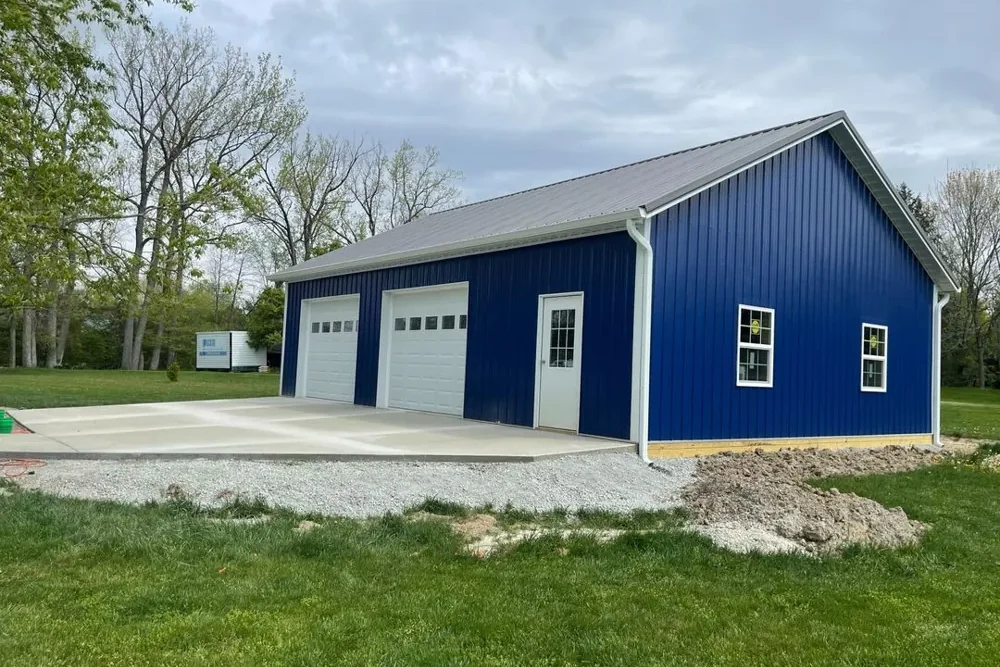
When people start searching for pole barn homes for sale near you, they are usually not just looking for a house. They are looking for possibilities. They want square footage that feels generous, a layout that does not feel boxed in, and a property with enough flexibility to fit real life instead of forcing real life to fit the floor plan. According to national housing data, buyers continue to prioritize larger, more adaptable living spaces, which helps explain why interest in nontraditional residential properties keeps growing. That matters because a pole barn home often offers something buyers cannot always find in a conventional listing: room to shape the space into exactly what they need.
That is the real appeal. A pole barn home is not only about rustic charm or open ceilings, though those details certainly draw people in. It is about what the structure can become. For some buyers, that means remodeling an existing building into a more polished full-time residence. For others, it means finding a property with a strong shell and turning the interior into a home office, workshop-living hybrid, multigenerational layout, or modern country retreat. The idea is simple, but the execution matters. Before you buy, you need to understand what can be changed, what needs to be upgraded, what local code may require, and how to tell whether the building is a smart investment or a future headache.
That is where this conversation gets practical. A pole barn home can offer incredible value and customization potential, but it should be evaluated with clear eyes. The best buyers are not just charmed by the look of the property. They are asking the right questions about structure, insulation, permits, finishes, and long-term livability. When you approach it that way, you are not just shopping for a property. You are evaluating the bones of a home that may be able to serve you beautifully for years to come.
There is a reason this search term signals real buying intent. Someone looking up pole barn homes for sale near me is usually farther down the road than a casual browser. They are not wondering whether the concept exists. They already know it does. They are trying to decide whether an available property can meet their needs, whether it can be improved, and whether the investment makes sense compared to a traditional house.
That is where pole barn homes stand out. Many of these properties offer wide-open interiors, generous outbuilding space, large lots, and a structural form that leaves plenty of room for reinvention. In a market where many buyers feel squeezed by standard floor plans and limited storage, a pole barn home can feel refreshingly practical. You may find space for vehicles, hobbies, business use, home-based work, equipment, or future additions all on one property. That flexibility is a major draw.
At the same time, buying an existing pole barn home is different from buying a conventional suburban house. You are not just looking at countertops, bedroom count, and curb appeal. You are assessing how the structure was originally built, whether it was always intended for residential use, how well the insulation and mechanical systems were planned, and whether future changes will be straightforward or complicated. A smart buyer understands that the opportunity is real, but so is the need for due diligence.
In many cases, yes, you can absolutely remodel an existing pole barn home. In fact, that is one of the biggest advantages of buying one. These structures often begin with an open framework that allows for significant interior reconfiguration compared to more conventional homes with tighter structural rhythms. If the building has good bones, remodeling can be one of the most exciting parts of ownership.
That said, remodeling success depends on the starting condition of the structure. A well-built pole barn home with a sound foundation system, dry envelope, strong framing, and properly planned utilities may offer a great canvas for updates. You may be able to rework bedrooms, expand common areas, improve bathrooms, create a better kitchen layout, add storage, or finish spaces that were once more utilitarian in character. Buyers are often drawn to these homes precisely because the transformation potential feels more open-ended.
The caution is that not every building is equally ready for remodeling. Some existing pole barn homes were built with residential life in mind from the beginning. Others were converted from agricultural or workshop use and may need substantial work before they truly function like a comfortable full-time home. That difference matters. Cosmetic updates are one thing. Reworking a building envelope, reengineering structural elements, or correcting old code issues is something else entirely. A remodel can be a smart investment, but it should begin with a realistic understanding of what is already there.
One of the most encouraging things for buyers is that structural upgrades are often possible. A pole barn home is not frozen in time. Existing structures can often be reinforced, repaired, or adapted to support new layouts, upgraded finishes, and better long-term performance. But structural retrofits should never be treated casually.
The first question is whether the existing frame is performing the way it should. Posts, trusses, girts, purlins, connections, and foundation elements all need to be evaluated. If there are signs of movement, sagging, water damage, improper previous modifications, or underbuilt framing, those issues need to be understood before a purchase moves forward. A good-looking interior does not automatically mean the structural system is sound.
The second question is whether the planned changes will place different demands on the structure. Buyers sometimes want to add heavier finishes, remove walls, enlarge openings, convert a garage bay into conditioned living space, or add loft areas and storage zones. Those changes may be feasible, but they can alter load paths, affect lateral stability, or require reinforcement around openings and connections. This is where proper evaluation becomes essential. The goal is not simply to make the house look the way you want. The goal is to make those changes without compromising the integrity of the building.
The good news is that many pole barn homes are excellent candidates for thoughtful retrofits. When the original structure is solid, upgrades can improve both function and value. The key is to approach those changes as structural work, not just design work. That mindset protects the investment and helps the home perform like it should.
If there is one area that can dramatically change the experience of living in a pole barn home, it is insulation. Buyers often fall in love with the openness and scale of these properties, but comfort is what determines whether the home works day to day. An existing building may look impressive, but if it is under-insulated, poorly air sealed, or inconsistently finished, it can feel drafty in winter, overheated in summer, and expensive to condition year-round.
That is why insulation upgrades are such an important part of the conversation. In many older or lightly finished pole barn homes, the insulation strategy may be incomplete or outdated. Wall cavities may not have been designed with residential comfort in mind. Roof assemblies may be vulnerable to heat gain or condensation. Air leakage may be higher than what most homeowners expect in a standard house. The shell may still be usable, but the living experience can improve dramatically when insulation and air sealing are treated seriously.
Different buildings call for different approaches. Some may benefit from spray foam in key areas. Others may need a layered strategy involving insulation, vapor control, and interior framing adjustments. The exact solution depends on the structure, climate, and how the home is currently assembled. The broader point is this: buyers should never assume that because a building is enclosed, it is truly finished for comfortable residential life. Insulation is not a detail. It is one of the core elements that determines whether the home feels polished, quiet, and efficient or rough around the edges.
Yes, they can. This is one of the most common questions buyers ask, and it is an important one because appearance and comfort go hand in hand. Many people love the shell of a pole barn home but worry that the finished interior will always feel more like a shop than a house. In reality, interiors can often be finished to feel every bit as refined, warm, and livable as traditional homes.
That transformation depends on planning. Interior framing may need to be adjusted to support drywall, cabinetry, trim, and mechanical runs in a way that feels intentional. Ceiling treatments can create a dramatic or cozy atmosphere depending on the design direction. Floors, lighting, kitchens, bathrooms, and storage can all be brought to a fully residential level. Once the shell is properly insulated, utilities are organized, and finish surfaces are installed with care, the home can feel polished rather than improvised.
This is one of the reasons buyers are so interested in these properties. They are not limited to an industrial look unless they want one. A pole barn home can lean rustic, modern, farmhouse-inspired, minimalist, or highly traditional. The structure may begin differently, but that does not mean the finished interior has to feel unconventional in a negative way. In many cases, the open structural form becomes a design advantage, allowing for taller ceilings, larger living spaces, and a sense of openness that is hard to duplicate in a standard house.
When buyers get excited about customization, it is easy to focus on finishes and forget about legal and technical requirements. But code compliance should be near the top of the checklist when evaluating any existing pole barn home. This is especially true if the building was converted from another use or if major remodeling is part of the plan.
A structure may look livable without fully meeting the standards required for residential occupancy or future modifications. Issues may involve insulation values, fire separation, egress, stairs, electrical work, plumbing, mechanical systems, structural design, or permitted use. Even when the property is already being marketed as a home, that does not automatically mean every past change was documented or approved in the way local authorities would expect.
That is why buyers need to think beyond what is visible during a showing. If you plan to modify the home, add finished space, move walls, update systems, or alter the structure, permits may be required. The exact requirements will depend on local jurisdiction, but the principle remains the same: a smart purchase includes understanding what is legal, what is grandfathered, and what will need formal review before work begins.
This is not meant to discourage buyers. It is meant to protect them. A code-compliant path to customization is a good thing. It means the work can be done properly and with confidence. It also helps preserve long-term value, financing options, and resale appeal. A home that has been improved correctly is a very different asset from one that has been modified informally and left full of unanswered questions.
Before purchasing a pole barn home, the smartest move is to evaluate the property as both a home and a structure. Those are not always the same thing. A house can feel attractive and still hide costly deficiencies, especially if prior owners focused on appearance more than building performance.
Start with the shell. Look for signs of roof issues, staining, leaks, rust, soft spots, uneven surfaces, or evidence of water intrusion. Pay close attention to the condition of the posts, framing members, slab or foundation areas, and any transitions where materials meet. Movement, cracking, moisture damage, or unusual repairs can tell you a lot about how the building has aged.
Then consider livability. Is the home consistently conditioned, or are there obvious comfort issues from one zone to another? Do the windows, doors, and wall assemblies suggest a home built for year-round use, or a structure that was later adapted in a patchwork way? Does the interior feel cohesive, or does it feel like residential finishes were added without fully resolving insulation, ventilation, and utility needs? These questions matter because they help you distinguish between a true home and a building that still carries unresolved conversion issues.
Finally, think about the systems. Electrical, plumbing, HVAC, and ventilation all deserve scrutiny. A pole barn home can be beautifully finished on the surface while still requiring significant behind-the-scenes work. The best purchase decisions happen when buyers understand the visible condition and the hidden condition together. This is where a thorough inspection and qualified professional input can make all the difference.
For the right buyer, the greatest value in a pole barn home is not what it already is. It is what it can become. That is especially true in the lower-funnel stage, where buyers are comparing actual listings and trying to decide whether an existing property can deliver what a custom build might offer without starting from scratch.
Customization opportunities can be extensive. You may be able to open up living spaces further, create a better kitchen flow, add a mudroom, carve out guest quarters, expand a primary suite, finish a loft, or convert utility zones into home office or hobby space. Exterior updates can also make a major difference. New cladding details, better entry design, upgraded windows, porches, lighting, and landscaping can shift the entire character of the property.
That kind of transformation is especially attractive to buyers who want a home with personality and function instead of another standard floor plan. A pole barn home often invites creativity. It gives buyers a structure that may already have generous scale, strong utility value, and land advantages, then leaves room to tailor the rest. The key is making sure the customization plan is grounded in real structural and code conditions rather than wishful thinking.
A pole barn home can be one of the most interesting residential properties on the market because it gives buyers something rare: flexibility with character. It can offer space to breathe, room to customize, and the chance to shape a home around the way you actually live. But that opportunity only becomes a smart investment when you look at the building honestly.
The right property is not just the one with the most dramatic photos or the biggest footprint. It is the one with sound structure, realistic upgrade potential, clear code and permit paths, and an interior that can be brought to the level of comfort and finish you expect from a true home. That is what buyers should be asking when they review listings. Not just, “Do I like this property?” but, “Can this property become exactly what I need without hidden compromises?”
That is the sweet spot. When an existing pole barn home has strong bones and real customization potential, it can be far more than an alternative to a traditional house. It can be the kind of home that feels built around your life from the very beginning, even if you are the one who helps finish the story.
Let’s talk, plan and build something that feels like home.


