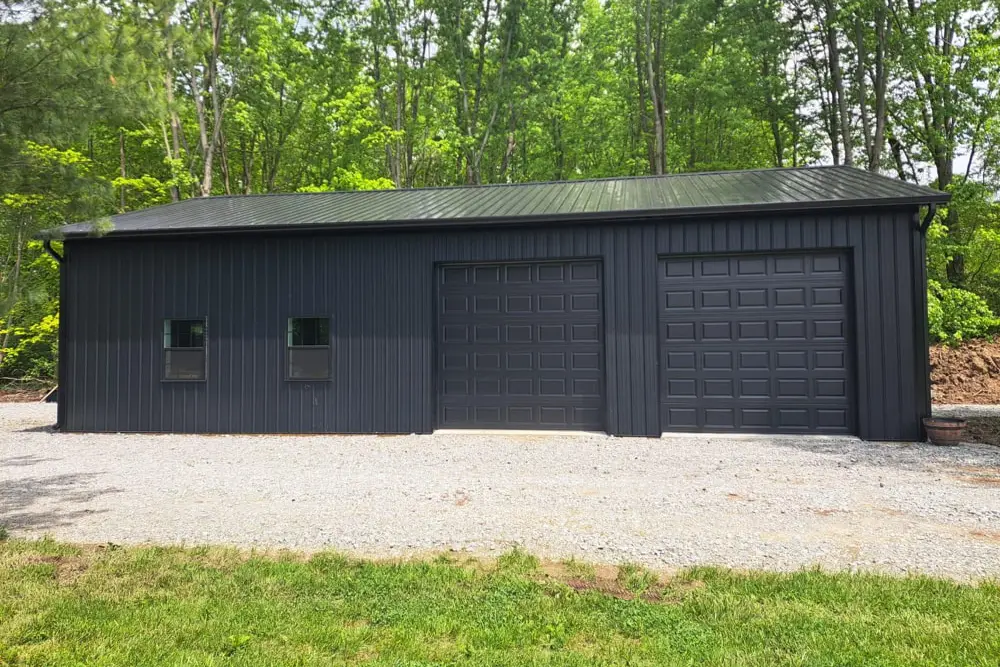
If you’re dreaming of a workshop, garage, barn, or multi-use post-frame building on your property, the journey begins long before the first post goes in the ground. It often starts with a simple question: What do I need to do before construction starts? That question comes up in nearly every initial conversation we have with property owners, and it’s a good one—because the success of your post-frame building depends just as much on what happens before the build as what happens during it.
Whether you’re still in the dreaming phase or ready to take the next step, understanding site readiness is one of the most important things you can do to prepare. From zoning rules to drainage plans, there’s a lot that goes into making sure your land is ready to support a structure that’s built to last.
At Dutch Builders, we know how exciting it is to plan a new post-frame building. We also know that early preparation can save weeks—or even months—of delay once you're ready to go. That’s why we created this guide: to help you understand the key steps in post-frame site prep, get a clear picture of what’s required, and give you confidence in your next steps. Whether you’re building in six months or two years from now, it’s never too early to start planning.
Let’s walk through the readiness checklist together.
It’s easy to get caught up in floor plans and building features before thinking about the land itself, but your building site has more influence on the construction process than anything else. The first thing we encourage homeowners to do is get familiar with the characteristics of their land—where it’s level or sloped, how water flows across it, what the soil feels like underfoot, and what kind of access it provides for trucks and equipment.
Understanding the lay of the land helps determine where the building should go and what type of preparation may be required. Even if you have a large, open parcel, not every spot is ideal for construction. We look at elevation changes, natural drainage paths, vegetation, and existing structures to help identify the best possible location for your building. In some cases, this might be obvious. In others, it takes a careful eye and a bit of measuring to get it right.
This phase is also a good time to begin thinking about future expansion or how you want the building to connect with other parts of your property. A good layout doesn’t just solve for today—it sets you up for flexibility tomorrow.
Before any construction begins, you’ll need to know what’s allowed on your property—and where. Zoning requirements, building setbacks, easements, and land use restrictions can all affect where and how your post-frame building can be constructed.
Setbacks are the required distances between your building and your property lines. These vary depending on your local municipality, the type of zoning (residential, agricultural, commercial), and the building’s intended use. Some areas also have height limits, maximum lot coverage percentages, or requirements for how close you can build to other structures like septic tanks, wells, or utility lines.
Permitting is another key step. While requirements differ from town to town, most post-frame buildings will require a building permit, and many will also require zoning approval or environmental review. In some cases, engineering stamps or site plans must be submitted with the permit application. This is where things can slow down if you're not prepared.
The earlier you start gathering this information, the better. Some homeowners assume they don’t need to worry about permits until just before building, but the truth is that you can’t finalize your design—or begin work—until these items are resolved. At Dutch Builders, we regularly assist clients in reviewing local codes, preparing permit documents, and working with officials to keep the process moving. It’s just one more way we try to make the experience less overwhelming.
Once you’ve identified your build site and confirmed what’s allowed, the next step is preparing the ground. Proper grading ensures a level, stable surface for your building and prevents future issues like settling or poor drainage. Even a few inches of slope in the wrong direction can lead to water pooling against your foundation or seeping into the structure during heavy rains.
Grading often involves cutting and filling the land to create a flat pad with a slight slope away from the building. It may also include removing topsoil, compacting the subgrade, and establishing a base of gravel or crushed stone. This work is typically done with skid steers or dozers, depending on the size of the area and the complexity of the grading needed.
Equally important is planning how construction crews and delivery trucks will access the site. If your property is on a hill, behind a gate, or lacks a clear access path, you’ll want to address this before construction begins. Hauling materials, pouring concrete, and operating equipment all require clear, stable routes. In some cases, temporary access roads may need to be created or reinforced with gravel.
By handling these elements early, you prevent costly delays and ensure that your builder can stay on schedule once the project begins.
Water is one of the biggest threats to any structure—especially when it goes where it’s not supposed to. That’s why drainage planning is such a critical part of post-frame building readiness.
Even in areas that seem dry most of the year, heavy rains or spring thaws can overwhelm poorly planned sites. Without proper drainage, water can collect under the building, erode the base, or create damp conditions that promote mold or rot. In colder climates, freezing water around foundation posts can lead to frost heave and long-term structural stress.
The goal is to direct water away from the building and manage it across the entire site. This can include sloping the pad, installing swales or ditches, placing downspouts and splash blocks, or even adding culverts under driveways or access roads. In some cases, drainage requirements may also be dictated by local regulations, especially near wetlands, creeks, or floodplains.
As part of our site assessments, we look at natural water flow and recommend grading or drainage improvements to keep your structure dry and protected year-round. It’s a detail that’s easy to overlook—but essential to long-term performance.
Another part of readiness planning that often gets pushed aside is utility access. If your post-frame building will have electricity, water, gas, or internet service, you’ll need to think about how and where those utilities will run.
For electric, this might involve working with your utility provider to install a new service line or panel. For water, it could mean tying into an existing well or municipal supply. Sewer and septic systems may also come into play, depending on the building’s use.
Trenching for utilities needs to be coordinated with construction, both to avoid damaging pipes and to ensure everything is installed at the right time. It’s also important to map out where these lines will run before concrete is poured or floors are finished. Waiting too long to plan can mean cutting into finished work—something no one wants to do.
If you’re not ready to connect all utilities right away, that’s okay. But it’s still smart to rough-in access or leave conduit paths so that future upgrades can be made easily. Good planning now gives you flexibility later.
Many homeowners ask, “When’s the best time of year to build?” And the answer depends on a few factors—your location, your project scope, and how ready your site is.
In general, spring through fall is considered the prime construction season for post-frame buildings. Warmer weather, longer daylight hours, and dry soil conditions make it easier to grade, pour concrete, and frame efficiently. That said, we regularly build in winter as well, especially if the site is accessible and the ground isn’t frozen solid.
One of the best times to plan is actually in late fall or early winter. This gives you a head start on permitting, grading, and scheduling, so that when warmer weather arrives, you’re ready to go. Waiting until spring to start planning often means competing with a surge of other projects for crew availability and material delivery.
Keep in mind that certain prep tasks—like driveway work or drainage installation—may need to happen in stages depending on weather conditions. That’s why having a clear seasonal plan, and an experienced builder to guide it, makes all the difference.
You should begin by identifying your build site, confirming local zoning and setback requirements, obtaining necessary permits, and preparing the ground through grading and drainage improvements. You’ll also want to plan for utility connections and ensure access for construction equipment.
While you don’t need final permits to start thinking about your project, you should research permit requirements early in the process. Understanding zoning, setbacks, and building codes helps you make smart design decisions and avoid delays later.
Yes. We offer site assessments to help property owners evaluate build locations, drainage, access, and soil conditions. It’s an excellent way to get expert input early in the planning phase and ensure your project starts on a strong foundation.
Absolutely. Soil type influences drainage, stability, and foundation requirements. Sandy or loamy soils drain well but may require compaction. Clay-heavy soils can hold water and expand, which may call for deeper posts or alternative footing solutions.
Spring through fall offers the best conditions for grading and building, but planning can—and should—start in any season. Starting early allows for smoother scheduling and site prep so your project is ready when the weather is right.
Building a post-frame structure is an exciting investment in your property. But as with any worthwhile project, the results depend on the preparation. When you take the time to get your site truly ready—from grading and access to permits and utilities—you set the stage for a smooth, efficient build that stays on time, on budget, and on point.
At Dutch Builders, we’re here to help you navigate that process. We bring years of experience, attention to detail, and a customer-first mindset that’s built around real guidance—not guesswork. Whether you’re just starting to think about a project or already have ideas in hand, we’d love to talk.
Call us today at 937.446.4400 to schedule a site review or start building a custom readiness plan for your property. Let’s make sure your land is just as ready as your vision—because that’s where great buildings begin.
You bring the vision. We’ll handle the rest.
Schedule your free site assessment today.


