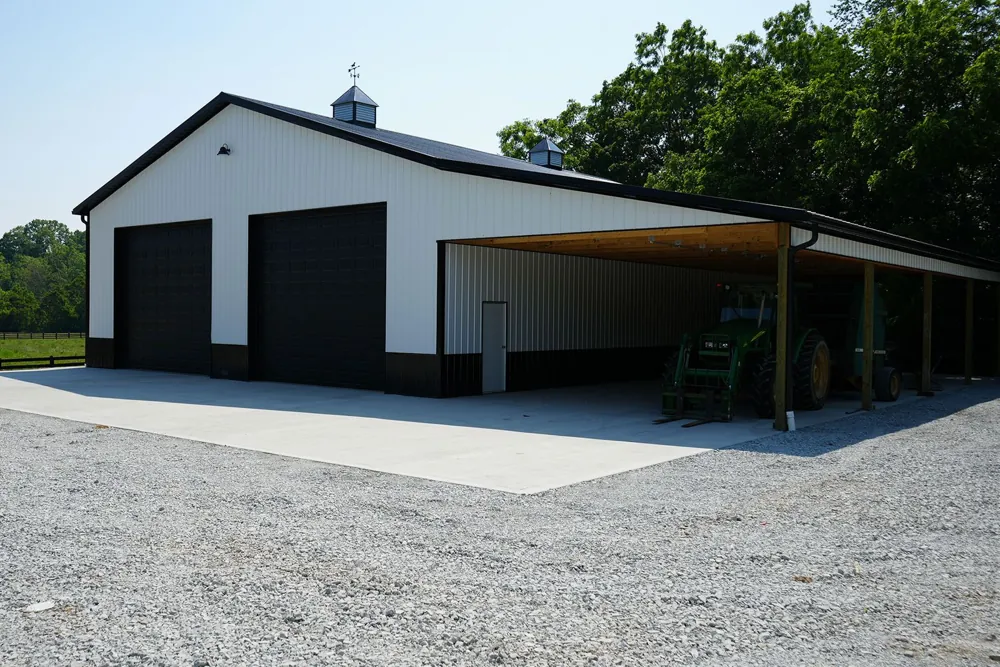
You’ve done your research. You’ve picked the building style that fits your needs, figured out your must-haves, and maybe even sketched a few ideas on a notepad or walked the property more than a few times, visualizing how it’ll all come together. At this point, you’re not just dreaming—you’re ready to build. And if you’ve been searching for “post frame construction near me,” you’re in the right place.
Before we break ground, there’s one important step we always recommend first: a site assessment.
This is more than just a quick glance at your property. It’s a hands-on visit that helps us understand the lay of the land—literally—and ensures your building will not only look great but function exactly as intended. Post-frame construction is versatile and efficient, but the quality of your final structure starts with what’s beneath it. That’s why this step matters.
Let’s walk through what a site assessment includes, what we’re looking for, how to prepare, and how this visit sets the tone for a smooth build. If you’re ready to get started, this is the step that turns plans into action.
When a Dutch Builders project manager visits your property, they’re not just admiring the view or snapping photos. They’re studying every factor that could affect the building process. And they’re doing it with your goals and timeline in mind.
Access is the first thing we evaluate. We look at how trucks and equipment will reach the build site, whether the entrance needs widening, and how we’ll get materials delivered and staged safely. Even in wide-open areas, we think a few steps ahead—because once framing starts, efficiency depends on easy, clear movement in and out of the job site.
Soil condition is the next piece we evaluate. You don’t need to know the technical details, but there are clues we’ll look for: how compact the soil feels underfoot, how water drains after a rain, and whether there’s evidence of clay, sand, or rock near the surface. We’re not doing a full geotechnical survey here, but we are gathering enough intel to decide if additional prep like compacting or fill might be needed.
Utilities come into play early, especially if you plan to run electric, water, or gas to the building. During the assessment, we’ll look at how far those connections need to run and whether we need to trench across driveways, fields, or landscaped areas. We’ll also check for existing utility lines and any obstacles that might affect digging or foundation work.
Setbacks are another key piece. Every property has local zoning requirements that dictate how close a structure can sit to property lines, easements, roads, or other buildings. If you’re in a rural area, the setbacks might be generous. In tighter neighborhoods or commercial zones, they can get a little tricky. We’ll help you confirm those boundaries and make sure your layout is compliant.
And finally, we’ll talk about the timeline. When do you want to start? Are you waiting on financing or permits? Do you have a firm deadline—like an event or business opening—or is your schedule more flexible? Getting clarity here helps us line up our crew, materials, and inspection schedule in a way that keeps everything moving.
You don’t need to have the entire project figured out before we show up. In fact, many of our most successful builds start with homeowners or business owners who simply say, “Here’s the space. What do you think?”
Still, a little preparation goes a long way. Before your site assessment, we recommend identifying the area where you want to build—even if it’s just a general zone. If there’s more than one option, we’ll walk both and help you weigh the pros and cons.
It’s also helpful to have a copy of your plat map or property survey on hand if you have one. That lets us double-check measurements and flag any hidden challenges early.
If you have questions about building height, garage door clearance, grading, or future expansion plans, this is the perfect time to ask. We’re not just evaluating the land—we’re there to offer solutions, too.
If you’re the decision-maker, it’s important that you’re there—or that someone you trust is. This visit is where ideas turn into strategy. It’s the moment we start shaping your concept into a real, buildable plan. Having the right person present means we can ask the right questions, get approvals quickly, and start the timeline moving.
In some cases, especially with commercial projects, we also suggest having the property owner, a project manager, or your general contractor present if you’re working with one. Collaboration always leads to smoother builds.
And if you’re not sure who should be there? No problem. Give us a call, and we’ll help you figure it out.
A good site assessment sets the tone for the entire build. It identifies red flags early—like poor drainage, difficult access, or clearance issues—that could otherwise become expensive delays. It also gives you clarity and confidence, knowing that we’ve walked the land, studied the challenges, and designed around the real-world conditions of your site.
Too often, we’ve seen projects from other builders fall behind because no one bothered to walk the property until the first delivery truck got stuck in the mud. That’s not how Dutch Builders does it. We believe a strong foundation starts with more than just concrete and posts—it starts with planning, care, and attention to detail.
During the assessment, we evaluate site access, soil conditions, utility connections, and zoning setbacks. We’ll also talk through your intended building use, timeline goals, and any concerns you have. This visit helps us plan your project accurately and avoid surprises later.
Identify where you’d like the building to go, and gather any property surveys or maps you might have. Make sure someone with decision-making authority is available to walk the site and answer questions. You don’t need to have every detail finalized—we’ll help you figure those out on-site.
Ideally, the property owner or project decision-maker should attend. If you’re working with a contractor or architect, they’re welcome to join as well. The goal is to ensure clear communication and fast decision-making as we evaluate the build site together.
Not at all. Whether you’re building a small garage, a large workshop, or a commercial structure, a site visit ensures the space supports your design and timeline. Even simple builds benefit from a careful walkthrough.
Yes. We conduct site assessments year-round, even in cold weather. Snow or frozen ground might limit what we can see under the surface, but we’re still able to evaluate access, elevation, and most soil conditions during winter months.
If you're ready to move forward with post-frame construction, there's no better next step than a personalized site assessment. This visit ensures your building fits your property, your timeline, and your vision. It’s how we start turning your ideas into a structure that lasts a lifetime.
Our team is standing by to schedule your on-site visit. Whether you’re ready to build now or just making sure everything lines up, we’d love to walk the land with you and help you take the next step—confidently.
Let’s make your next structure the one you’re proud to show off for years to come.
You bring the vision. We’ll handle the rest.
Schedule your free post-frame construction site assessment today.


